I study how control and learning can help robots move, adapt, and interact with the physical world.
My current work focuses on legged and humanoid locomotion.
Research Intern GalbotIncoming PhD HKU
I earned an M.S. in Aerospace Science and Technology from
Beihang University in 2026, advised by
Prof. Kexin Guo.
Previously, I completed a dual bachelor's degree in Materials Science and Engineering at Northwestern
Polytechnical University and Queen Mary University of London.
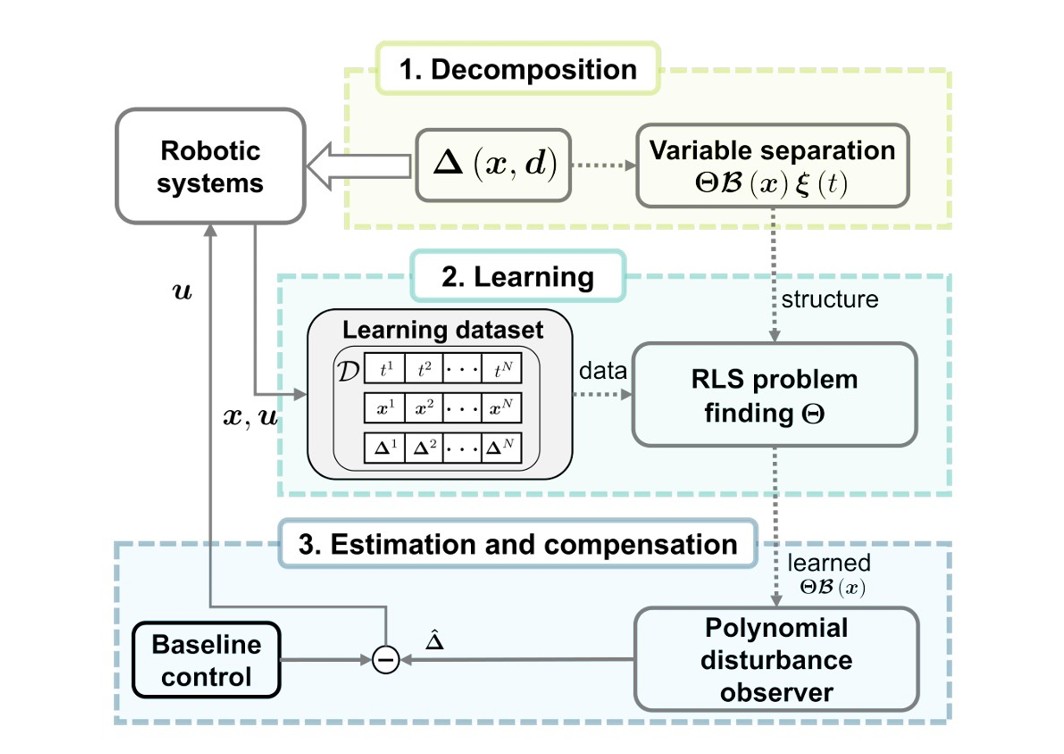
My published work spans learning-based planning and control, as well as control-theoretic methods that make
learned dynamics more robust and generalizable. Publications are ordered newest first; featured entries
foreground first- and equal-author contributions. * denotes equal contribution.
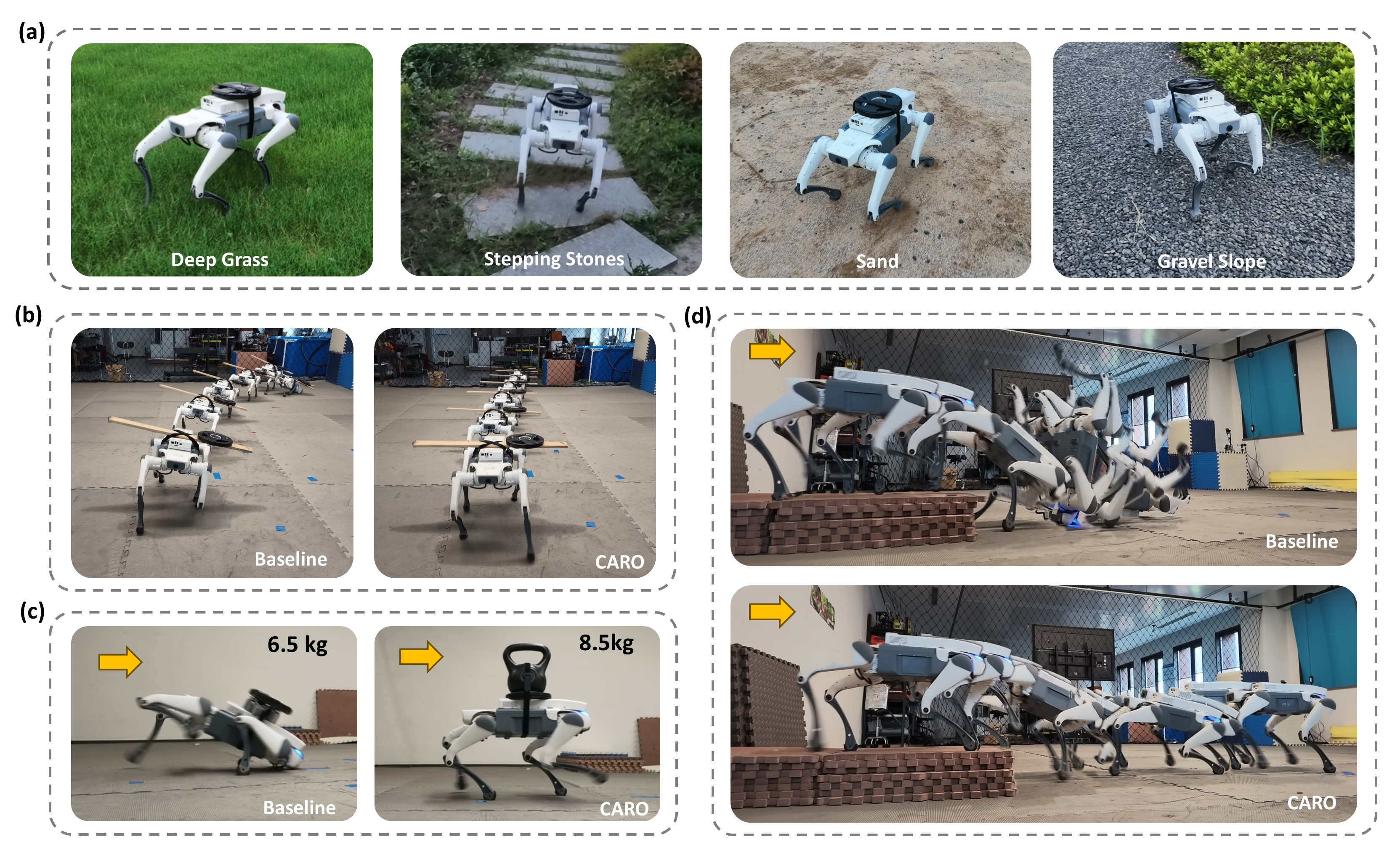
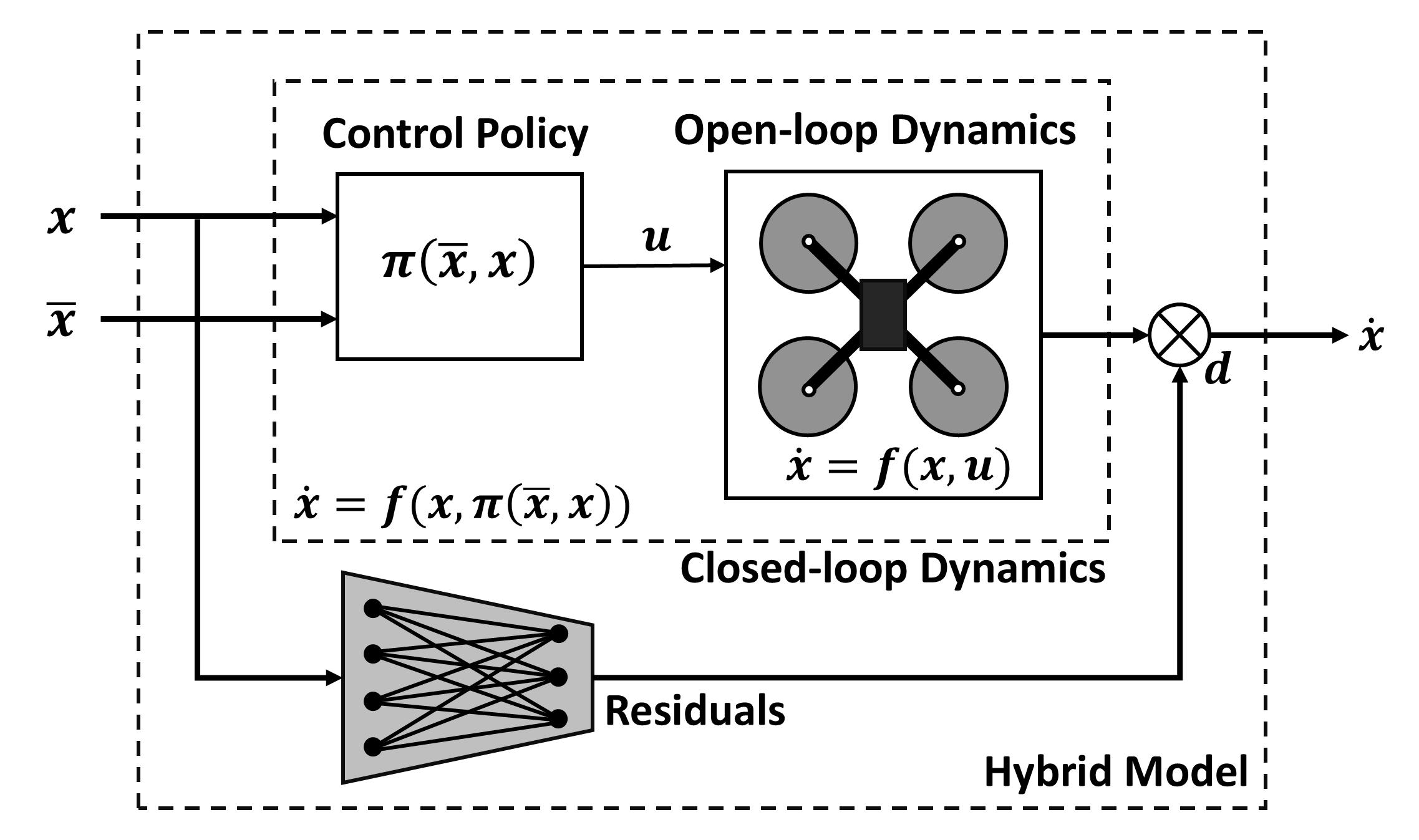
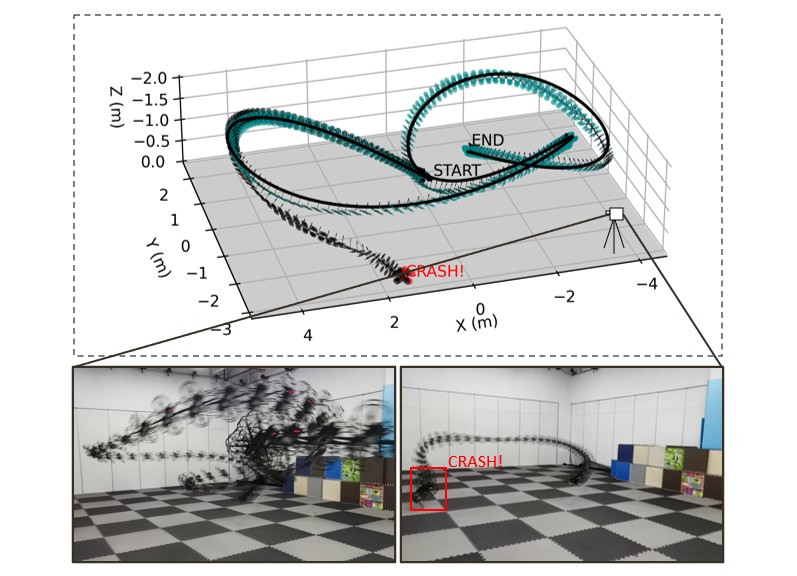
A contact-agnostic residual observation framework that gives locomotion policies structured feedback for zero-shot robustness to unseen payloads, terrain, and dynamics changes.
Jindou Jia, Shixuan Han, Meng Wang, Gen Li, Zihan Yang, Sicheng Zhou, Kexin Guo, Jianfei Yang, Xiang Yu, Wei Wang, and Lei Guo
Accepted by npj Robotics, 2026
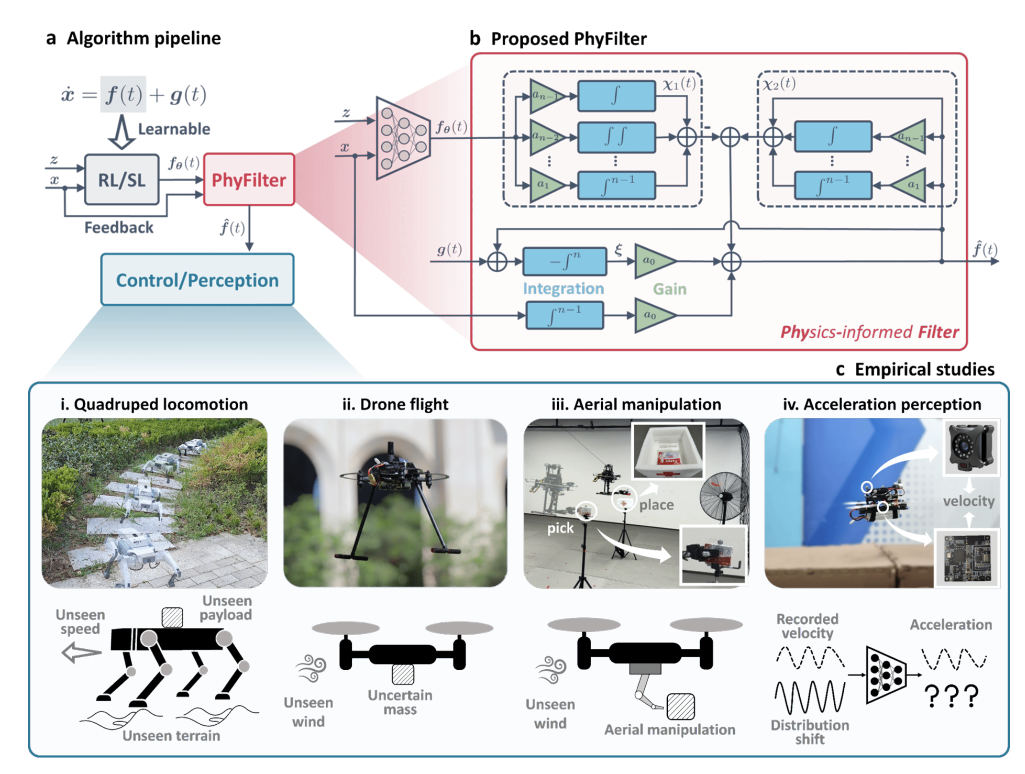
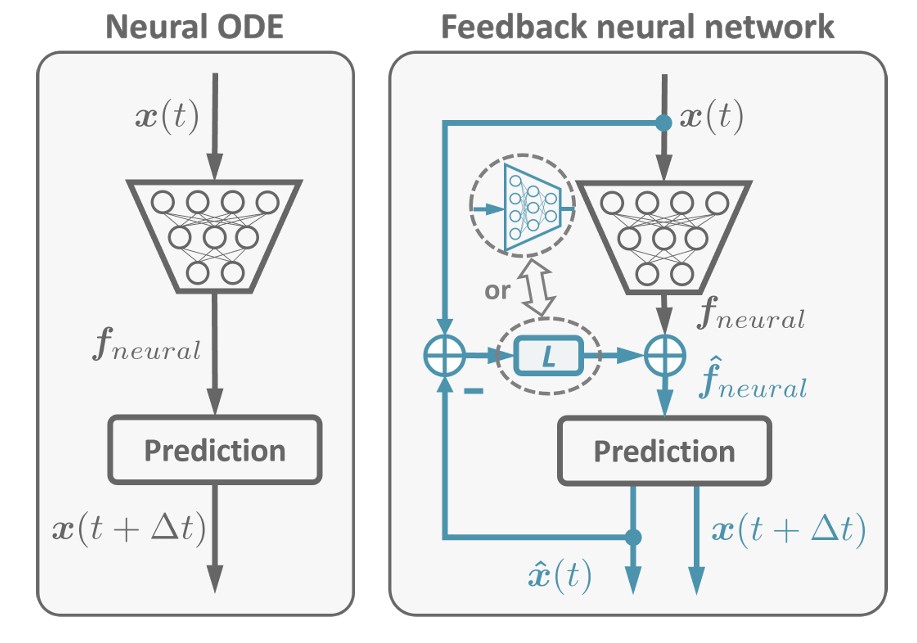
A lightweight, model-agnostic physics-filtered feedback module that improves robot-policy generalization under dynamics uncertainty with limited training data.
A route shaped by building, modeling, and learning
My path moved from materials and aircraft design to simulation, control, and learning. Those foundations
now converge in embodied intelligence and adaptive robot behavior.
2019–2023
Engineering foundations
Materials science, aircraft design, simulation, and early experiments with learning-based engineering tools.
2023–2025
Control meets learning
Robot planning, UAV control, disturbance estimation, and feedback-informed learning for reliable autonomy.
2025–present
Embodied locomotion
Legged and humanoid locomotion research as a research intern at Galbot.
Next
Adaptive loco-manipulation
Pursuing a PhD focused on robots that can move, adapt, and manipulate across varied environments.
Earlier work
Projects that shaped my path
These projects span different fields and do not all resemble my work today. I keep them here because each
one taught me how to build, model, test, or rethink a physical system—and without them, my current research
path would not exist.
Explore the project archive
8 projects · 2021–2024
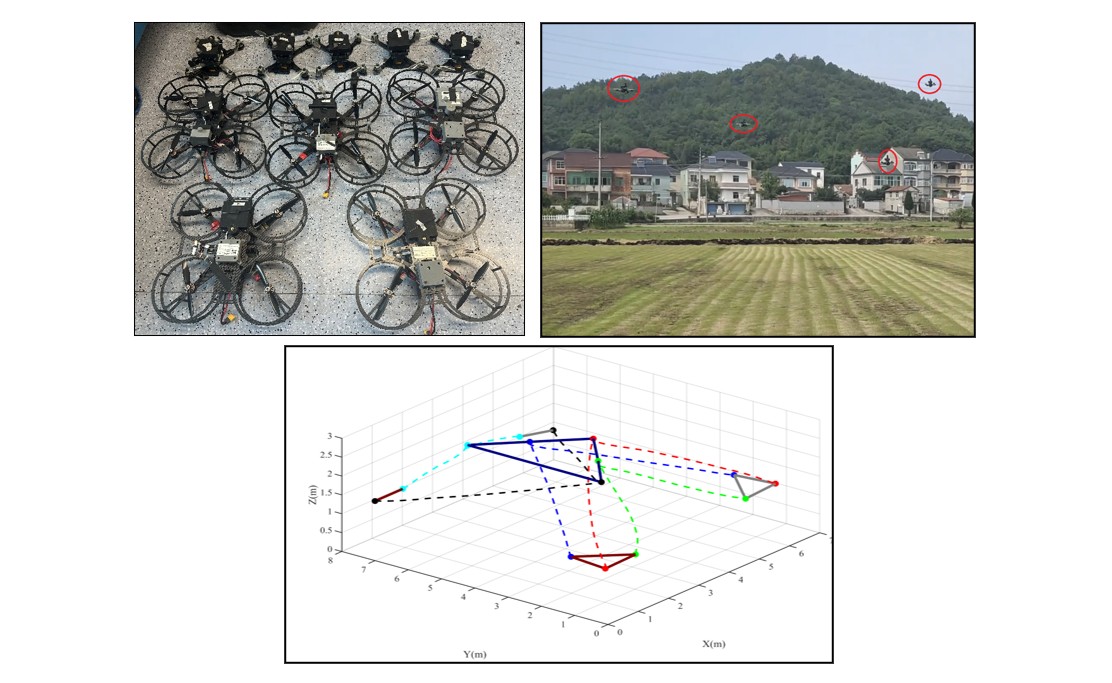
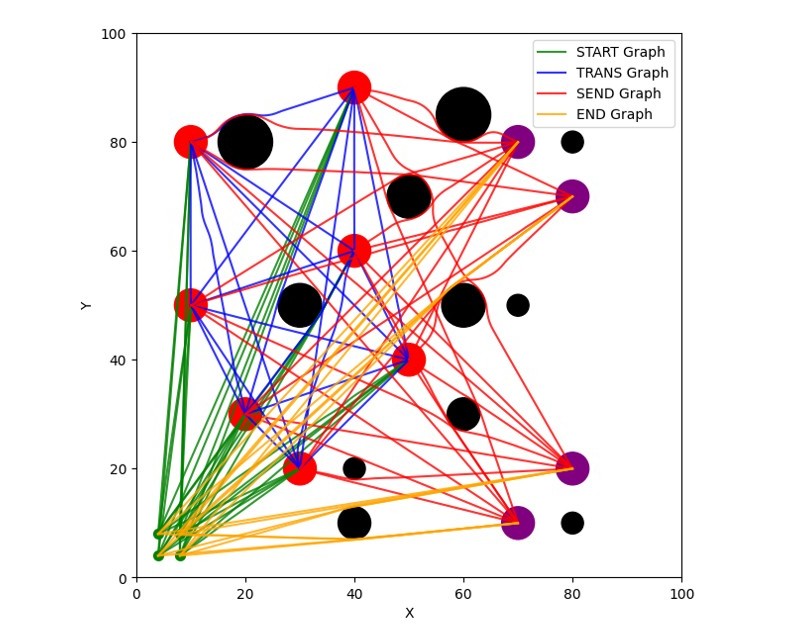
Successive Convexification-Based Planning and Disturbance-Aware Tracking Control of Quadrotor Swarms
Multi-agent planning and tracking control for quadrotor formations under wind disturbances. Successive
convexification produces collision-free trajectories, paired with a disturbance-observer-based controller.
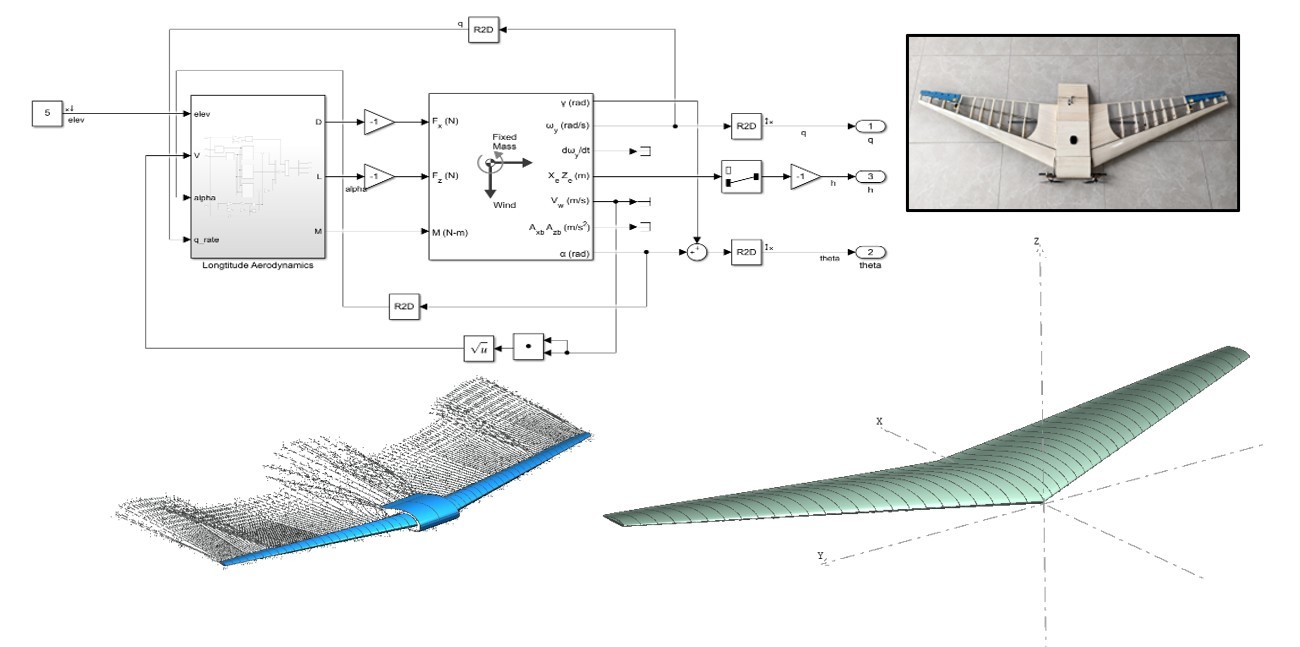
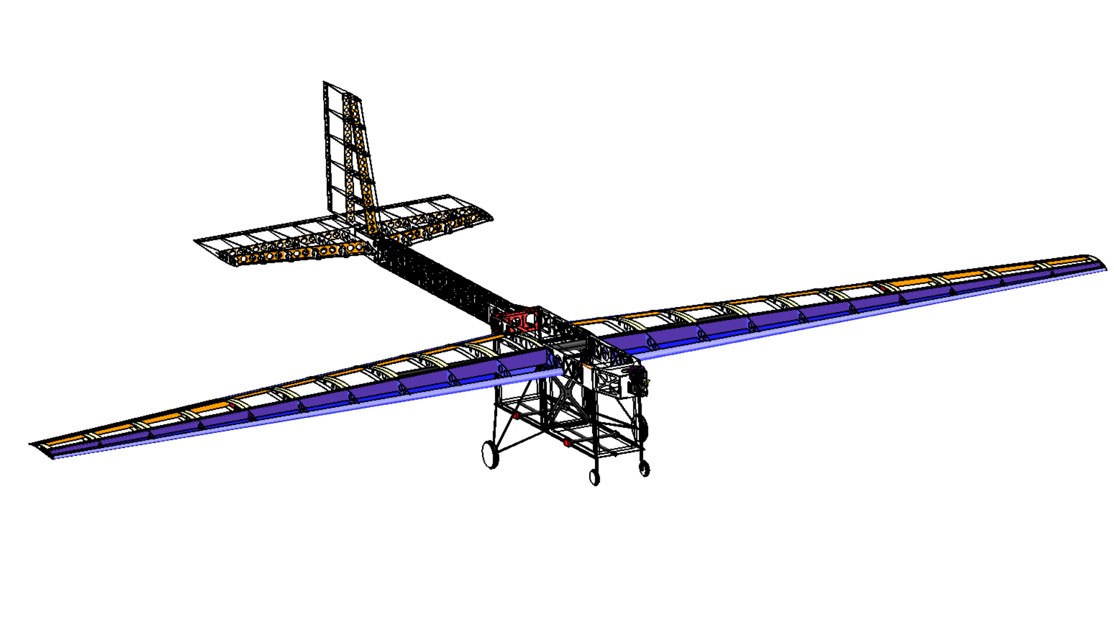
Design and prototyping of a long-endurance Prandtl wing, including dynamic modeling, LQR control
synthesis, and differential-thrust stabilization of the Dutch-roll mode.
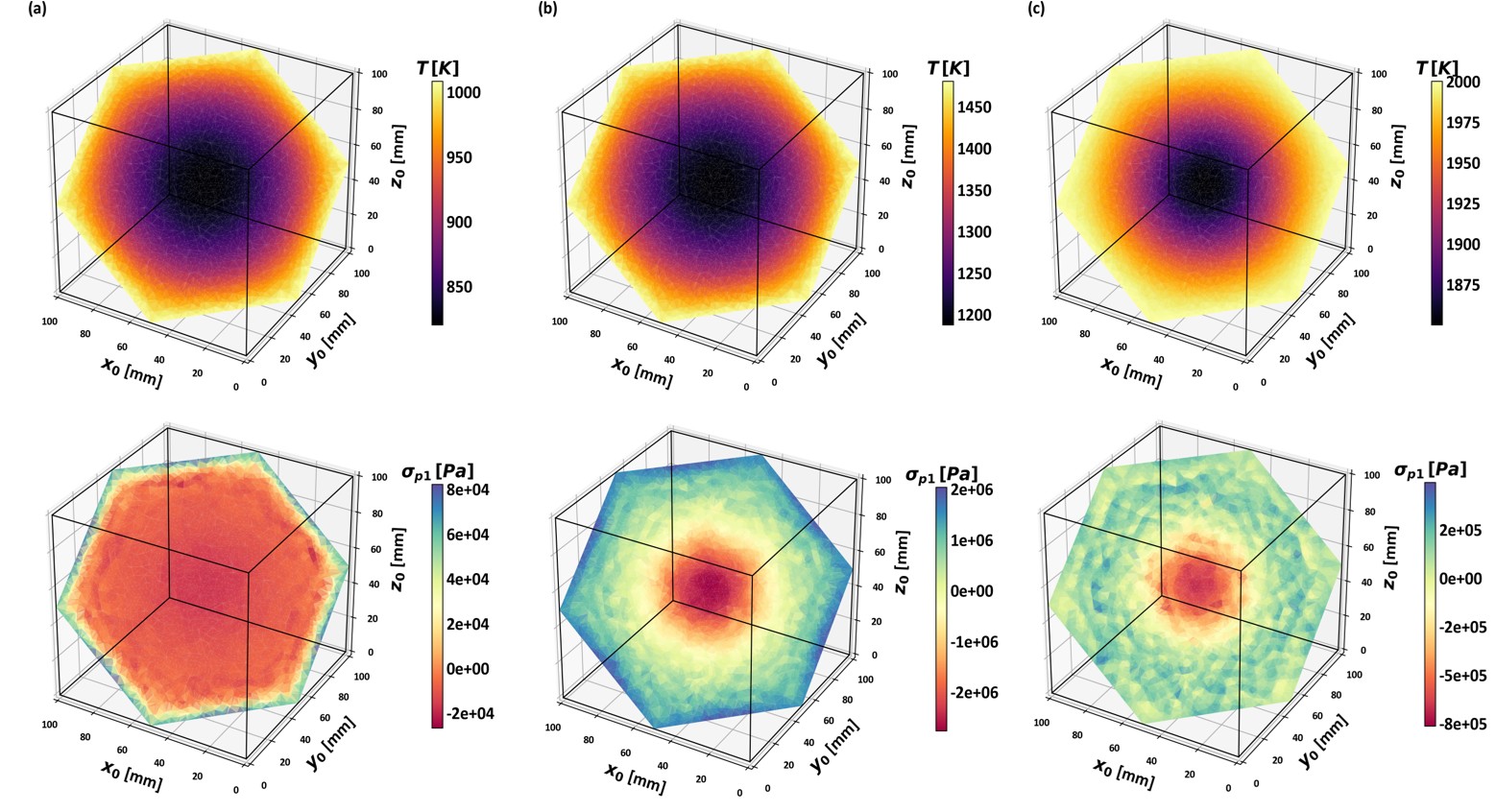
Finite Element Simulation of 3D-Printed Alumina Sintering
A coupled porosity, heat-conduction, and sintering-stress model investigating temperature gradients
and potential stress overload in large porous green bodies.
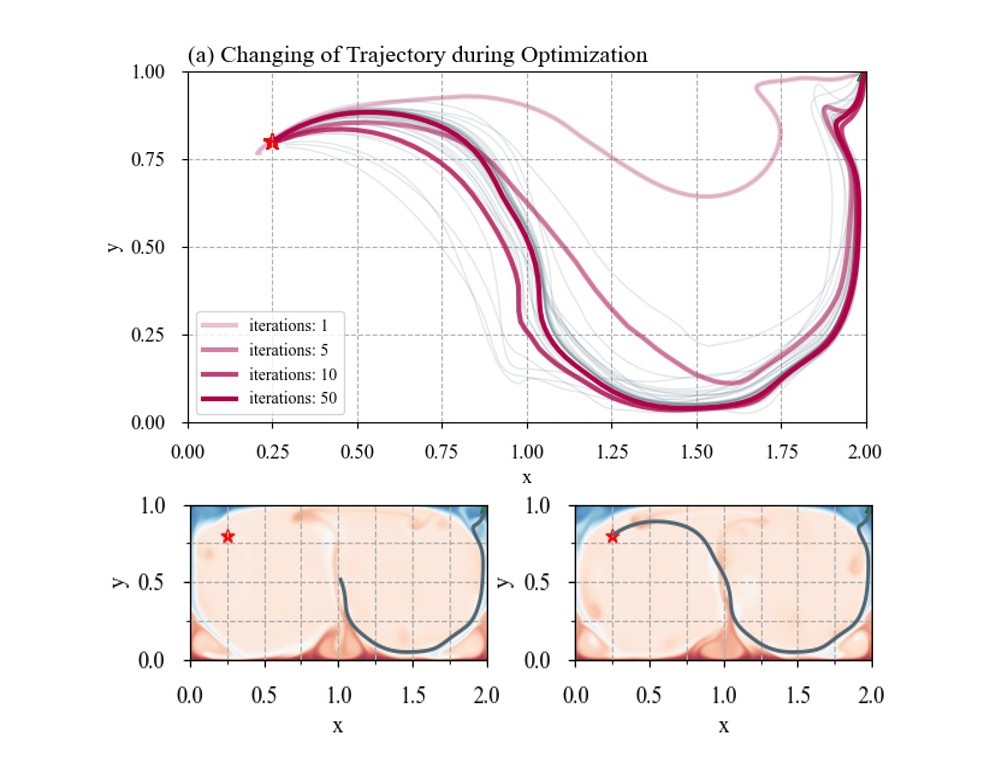
Optimal Transportation in a Rayleigh–Bénard Turbulent Flow
An iterative-LQR solution to optimal transportation in time-varying turbulent flow, with local
Jacobians approximated using second-order central finite differences.
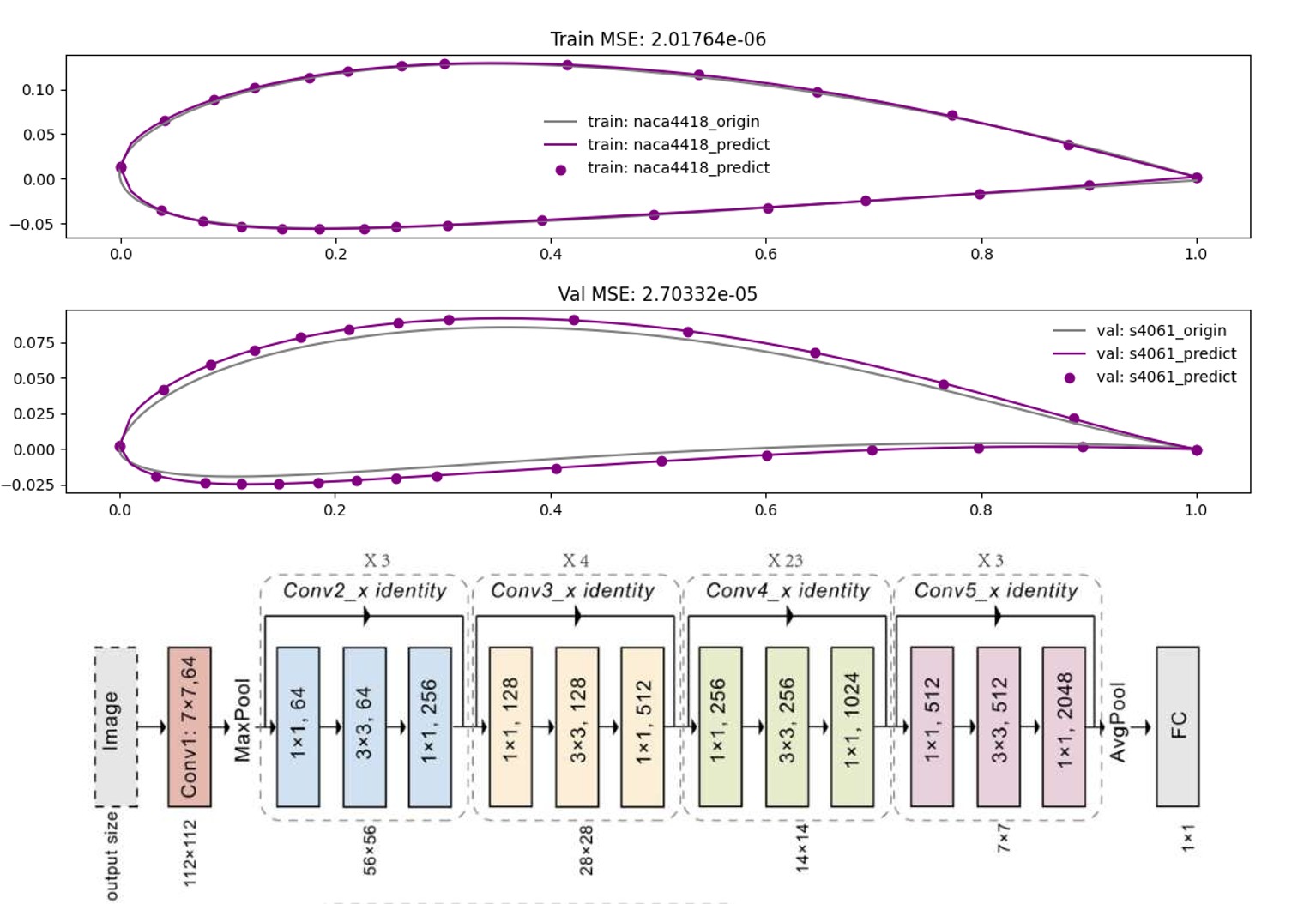
A ResNet-based rapid-prototyping tool trained on 10,000 XFOIL-generated samples to predict candidate
airfoil shapes from target pressure distributions.
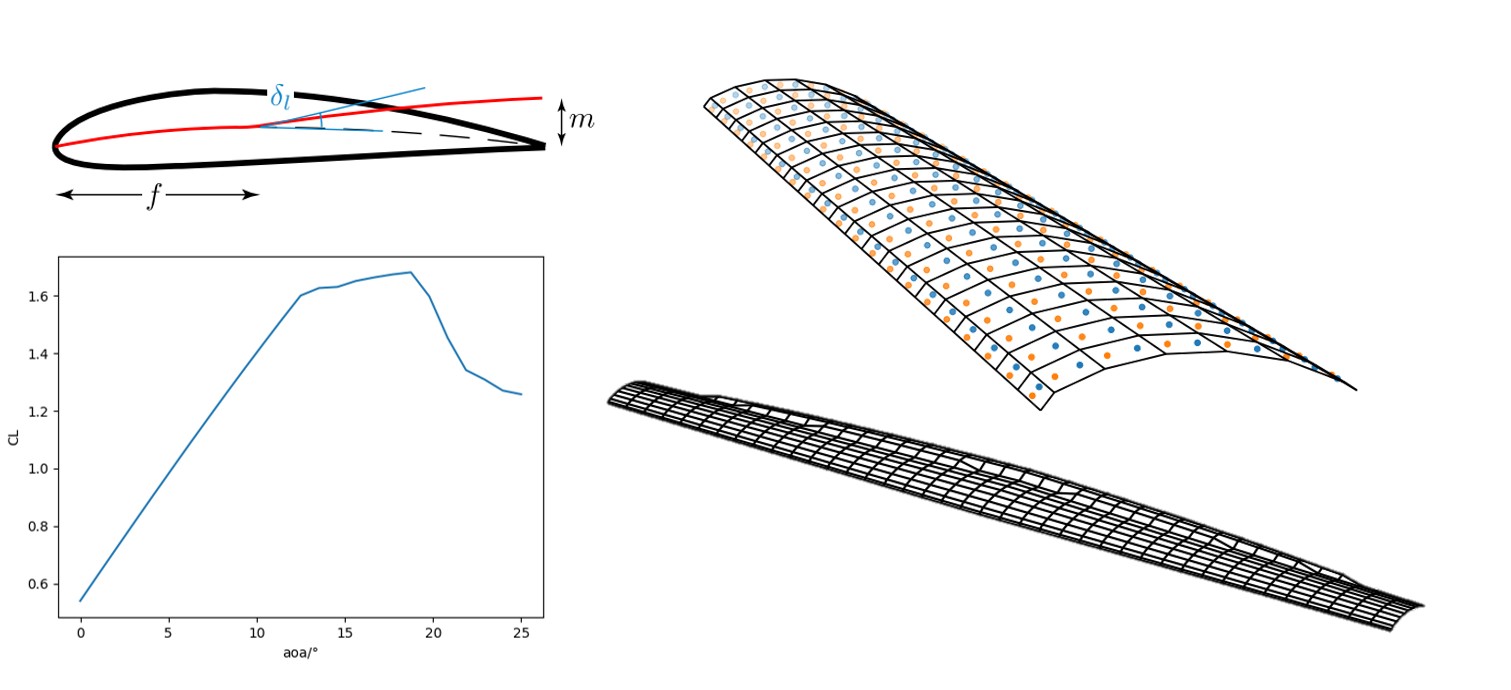
Design of a 16 kg Cargo UAV with High Maneuverability
Team design and prototyping of a fixed-wing competition aircraft combining a 16 kg payload capacity,
high lift-to-drag ratio, and strong maneuverability.